
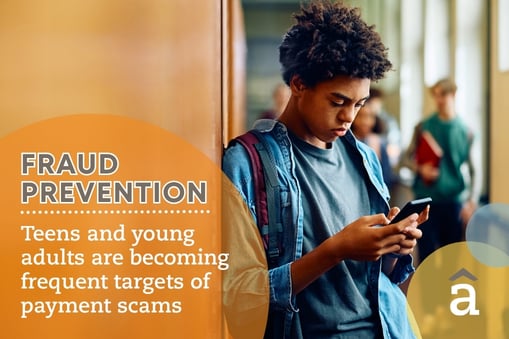
The FCC says that young adults 29 and under lost nearly $500 million to scams last year. That's a 20% increase since 2021.
Limited financial experience
As young people begin to open their first financial accounts, they naturally have limited financial experience. This lack of experience makes it harder for them to spot red flags — like being pressured to act quickly, using untraceable payment methods, or requests for personal information. The Better Business Bureau reported in 2024 that those from 18 to 24 were more susceptible to fake check/money order scams than any other.
High digital engagement
The digital habits of teens and young adults make them comfortable with social media, online marketplaces, and gaming communities. Unfortunately, these are also spaces where scammers can easily blend in. And a propensity to use peer-to-peer payments, food delivery services, ride shares, and other similar services means they may be less likely to check their account balances, making it easier for fake renewal scams to slip by unnoticed.
Common scams targeting teens and young adults
These are some of the scams that frequently target young adults:
- Online Merchandise Scams
- Job Scams
- Rental/Housing Scams
For a deeper look at young adults and scams, check out this article from the Federal Reserve.


 Equal Housing Opportunity Lender